Peel-and-stick wallpaper has made DIY installation more accessible than ever, and plenty of home improvement content makes it look simple. But there's a meaningful gap between what looks easy in a short video and what actually happens on your walls — especially once you move beyond a single small accent wall.
When DIY Genuinely Makes Sense
- Small, contained spaces — a single small wall, a closet interior, or the back of a bookshelf are low-risk, low-cost places to practice.
- Removable peel-and-stick material — designed specifically for renters and easy removal, this is the most forgiving option for a first attempt.
- Simple, busy patterns — a small-repeat, busy pattern hides minor seam misalignment far better than a large-scale or solid design.
- You're genuinely comfortable being patient — DIY installation takes significantly longer than most people expect, even for a small wall.
Where DIY Tends to Go Wrong
Wall prep gets skipped
The single most common DIY mistake is underestimating wall prep. Bumps, old paint texture, and uneven surfaces that seem minor in person become very visible once wallpaper is applied over them. Professional installers spend a meaningful portion of project time on prep precisely because it determines the quality of the final result.
Pattern matching across multiple panels
A single wall might look manageable, but once a project spans multiple panels with a pattern that needs to repeat seamlessly across seams, the margin for error shrinks fast. A slight misalignment on panel three can throw off every panel after it.
Corners, outlets, and obstacles
Rooms are rarely four flat, uninterrupted walls. Outlets, light switches, window trim, and inside or outside corners all require techniques that aren't obvious from a quick tutorial — and mistakes here are difficult to hide.
Premium materials are far less forgiving
Grasscloth, fabric-backed, and other natural materials covered in our grasscloth guide often can't be repositioned once placed, and adhesive on the front surface can permanently stain the material. These are not beginner-friendly options.
The Real Cost Comparison
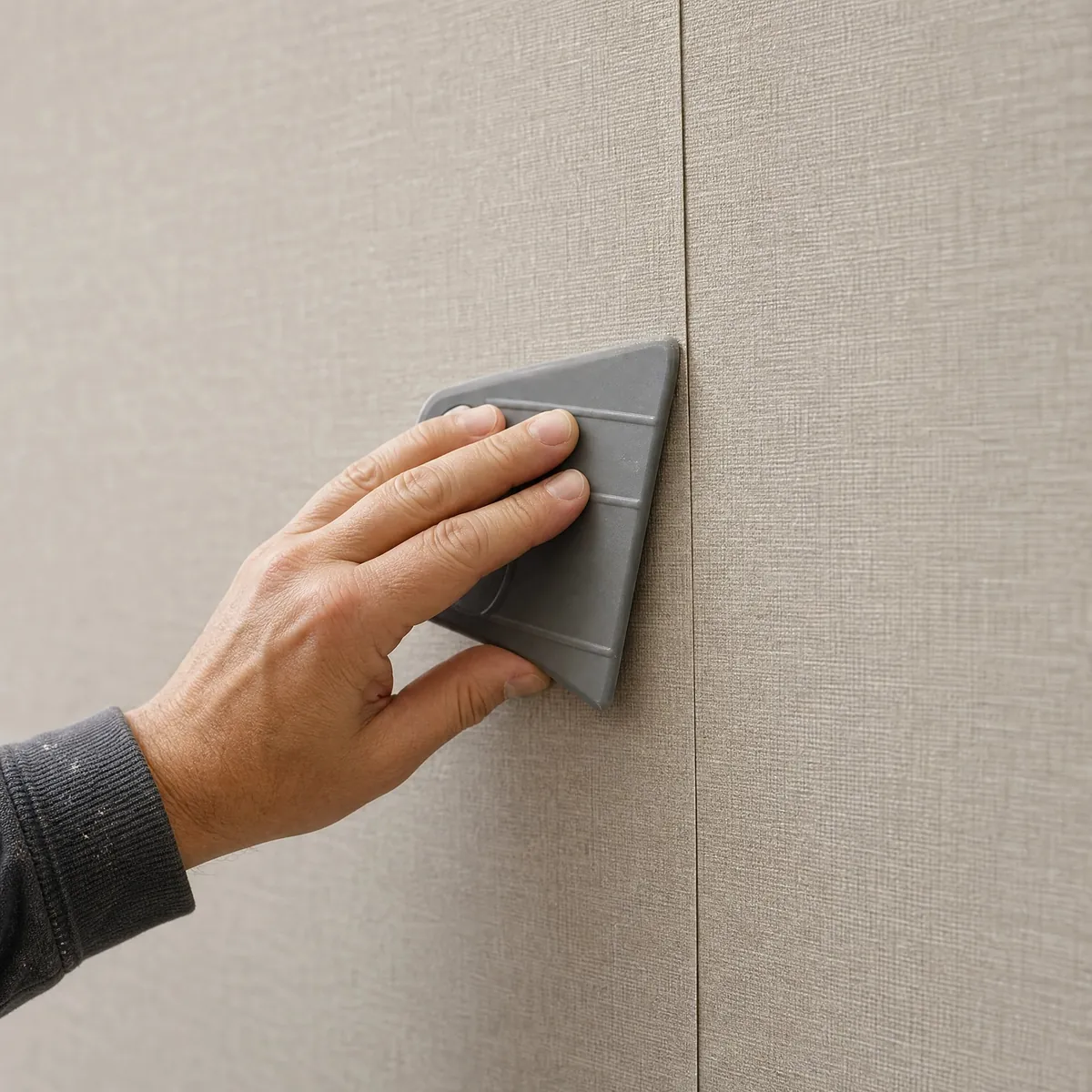
DIY tools alone (smoothing tool, seam roller, level, utility knife, paste) typically run $50 to $150, plus the cost of materials. That sounds like meaningful savings versus professional installation costs — until factoring in the risk of having to purchase additional material to fix mistakes, or the cost of repairing wall damage from a difficult removal down the line.
Our Honest Take
If you're wallpapering a small, low-risk space with removable peel-and-stick material, DIY is a completely reasonable choice. For anything larger, any premium material, or any space where mistakes would be costly to fix, professional installation is where the investment pays for itself — both in the final look and in peace of mind.
Ready to start your project? Get a free, no-obligation estimate from South Florida's high-end wallpaper specialists.
Request a Free Quote